
Kenya has long been recognized as one of Africa’s most rewarding safari destinations, but beyond its famed wildlife spectacles lies a paradise for bird enthusiasts. With over 1,100 recorded bird species, diverse habitats, and excellent guiding expertise, birding tours in Kenya offer an unmatched combination of variety, accessibility, and ecological richness. From the Rift Valley lakes to tropical rainforests and coastal ecosystems, Kenya provides an extraordinary platform for both professional ornithologists and passionate amateur birders.
Why Choose Kenya for a Birding Tour?
Kenya’s geographical position along major migratory flyways makes it a seasonal haven for Palearctic and intra-African migratory birds. Combined with its wide range of habitats—savannah grasslands, alkaline lakes, montane forests, wetlands, deserts, and coastal mangroves—the country supports an impressive diversity of species year-round.
Birding tours in Kenya are well organized, professionally guided, and logistically efficient. The country’s infrastructure allows seamless travel between key birding hotspots, making it possible to experience dramatically different ecosystems within a relatively short timeframe.
Rift Valley Lakes: Flamingos and Waterbirds
The Great Rift Valley is central to many birding tours in Kenya . Among its most celebrated destinations is Lake Nakuru National Park. The alkaline lake is internationally known for its
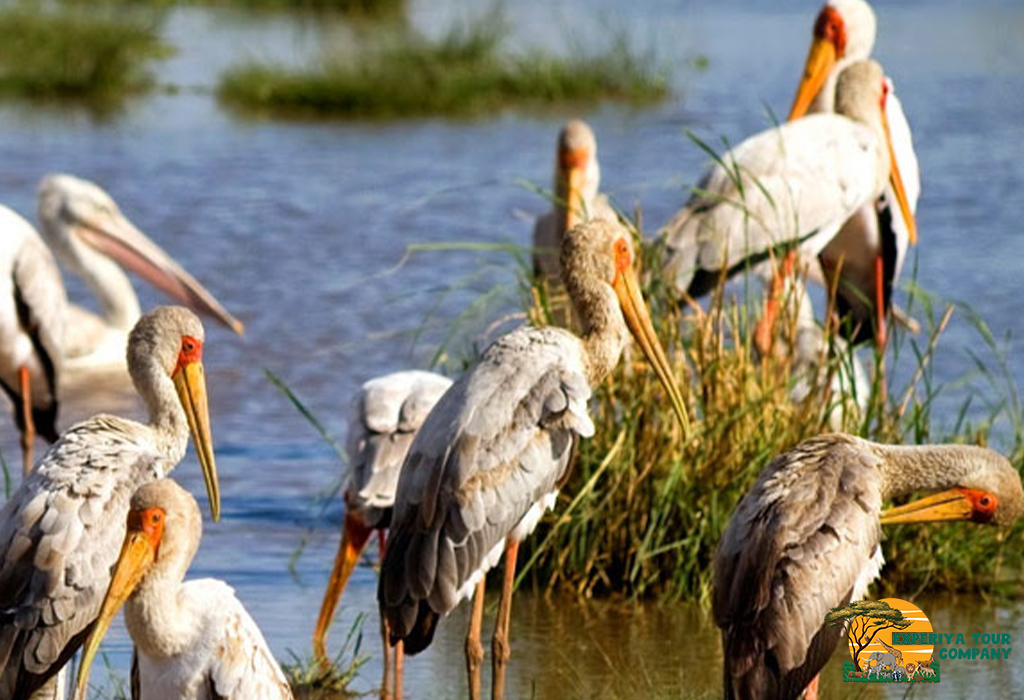 spectacular congregations of flamingos. At peak times, thousands of lesser and greater flamingos gather along the shoreline, creating an unforgettable pink horizon.
Lake Nakuru is also home to pelicans, cormorants, African fish eagles, herons, and over 400 recorded bird species. The surrounding acacia woodland supports species such as the African hoopoe and various sunbirds, while open grasslands attract raptors and ground birds.
Further north, Lake Baringo offers a contrasting freshwater habitat. This region is particularly rich in northern and arid-zone species, including Hemprich’s hornbill, bristle-crowned starling, and the Verreaux’s eagle-owl. Birding excursions here often combine boat trips and guided walks along rocky escarpments.
Nearby Lake Naivasha provides calm waters fringed with papyrus swamps. Boat safaris offer close encounters with kingfishers, jacanas, and fish eagles, while surrounding woodlands shelter a wide array of passerines.
Maasai Mara: Raptors and Savannah Specialists
Although widely known for its large mammals, the Maasai Mara National Reserve is equally impressive for birdwatching. Over 500 species have been recorded in the reserve and surrounding conservancies.
Savannah birding tours in the Maasai Mara commonly highlight secretary birds striding across open plains, martial eagles soaring overhead, and vividly colored lilac-breasted rollers perched along acacia branches. Riverine forests along the Mara River provide habitat for kingfishers, storks, and bee-eaters. During the Great Migration season, the abundance of prey attracts numerous vultures and birds of prey, creating dynamic birding opportunities.
Combining traditional game drives with focused birdwatching allows visitors to experience both Kenya’s mammalian and avian diversity in one remarkable setting.
Kakamega Forest: A Rainforest Treasure
In western Kenya, Kakamega Forest offers a completely different birding environment. As the country’s only tropical rainforest and a remnant of the ancient Congo Basin, Kakamega is home to species rarely seen elsewhere in East Africa.
Birding tours here focus on forest specialists such as the great blue turaco, blue-headed bee-eater, and various forest warblers and flycatchers. The dense canopy and humid climate create ideal conditions for endemic and near-endemic species. Guided walks through shaded trails provide intimate birding experiences far removed from the open savannah landscapes.
Coastal Forests and Endemics
Kenya’s coastal region adds yet another dimension to birding tours. The globally significant Arabuko-Sokoke Forest is the largest remaining fragment of East African coastal forest and a critical habitat for endemic bird species.
This forest is particularly sought after by birders hoping to see the Sokoke scops owl, Clarke’s weaver, and Amani sunbird. The diversity of forest types within Arabuko-Sokoke supports specialized birdlife adapted to coastal ecosystems. Nearby mangroves and beaches also attract migratory shorebirds, terns, and gulls, especially between October and April.
Amboseli and High-Altitude Birding
At the foot of Mount Kilimanjaro lies Amboseli National Park, famous for its elephant herds and striking landscapes. Birding tours in Amboseli benefit from seasonal wetlands that attract waders, herons, and pelicans. The mix of dry plains and marsh habitats ensures a wide variety of species within a compact area.
For high-altitude birding, tours may extend to montane forests around Mount Kenya or the Aberdare ranges, where unique highland species thrive in cooler climates.
Best Time for Birding Tours in Kenya
While Kenya offers year-round birding, the period from October to April is particularly productive. During these months, migratory birds from Europe and Asia supplement resident species, increasing overall diversity. The short rains (October–November) and long rains (March–May) create lush habitats that stimulate breeding and feeding activity.
The dry season, from June to September, also provides excellent visibility and easier access to certain parks. Birding tour operators often tailor itineraries according to seasonal movements and target species.
Professional Guides and Tailored Itineraries
One of the strongest advantages of birding tours in Kenya is the expertise of local guides. Many are highly trained in ornithology and skilled in identifying birds by call, plumage, and behavior. Their local knowledge of habitats and seasonal patterns significantly enhances the success of each excursion.
Customized birding tours can be arranged for specialized interests, including photography-focused expeditions, endemic species tracking, or combined wildlife and birding safaris. Accommodation options range from eco-lodges and tented camps to boutique hotels, often situated near prime birding habitats.
Conservation and Sustainable Birding
Kenya’s protected areas and community conservancies play a crucial role in preserving avian biodiversity. Responsible birding tours contribute directly to conservation funding and community development. By choosing ethical operators and adhering to sustainable practices—such as minimizing disturbance and respecting nesting sites—travelers support long-term environmental protection.
Birding tourism not only generates economic benefits but also fosters global awareness of Kenya’s ecological significance.
Conclusion
Birding tours in Kenya offer a comprehensive and enriching exploration of Africa’s avian diversity. From the flamingo-filled shores of Lake Nakuru to the rainforest canopy of Kakamega, from the savannah raptors of the Maasai Mara to the endemic treasures of Arabuko-Sokoke, each destination reveals a unique ecological story.
For birders seeking diversity, accessibility, professional guidance, and unforgettable scenery, Kenya stands as one of the world’s premier birdwatching destinations. A well-planned birding tour through its varied landscapes promises not only impressive species lists but also a deeper connection to the rhythms and wonders of the natural world.